 Iran Chronicle
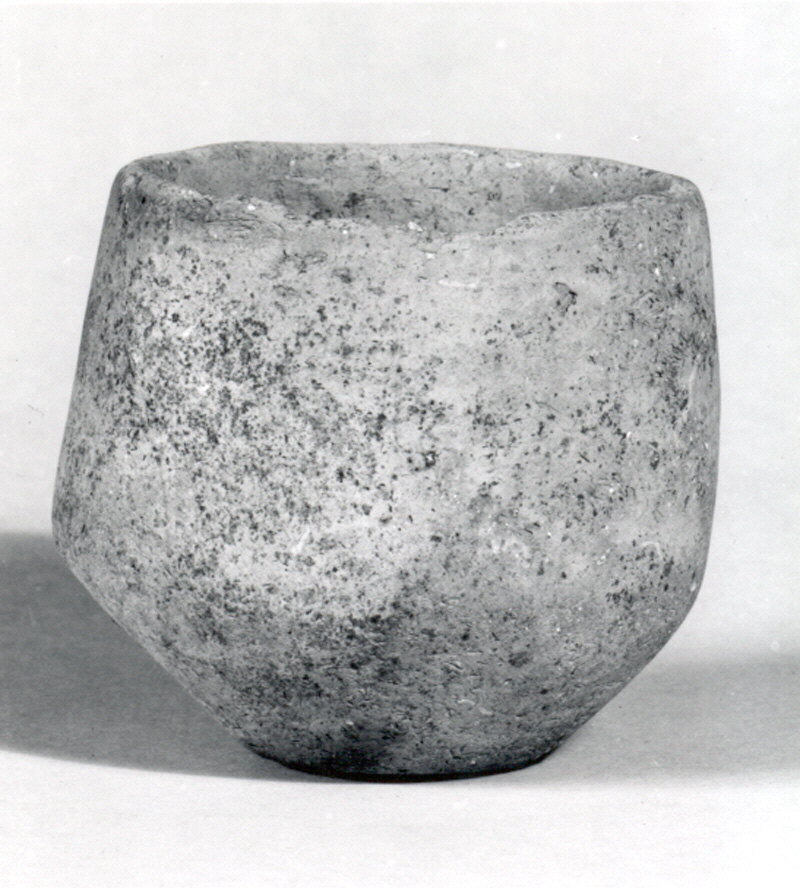
A Cup from Hajji Firuz: An Ordinary Object from Early Village Life
The MET Collection
An unassuming ceramic cup introduces a history often overshadowed by monumental buildings and royal treasures: the material world of early village communities.
Excavated as part of the Hasanlu Project sponsored by the University Museum of the University of Pennsylvania, the Archaeological Service of Iran, and The Metropolitan Museum of Art; acquired by the Museum in 1962, as a result of its financial contribution to the excavations. SourceMetropolitan Museum of Art. “Cup.” Accession no. 62.173.2. | 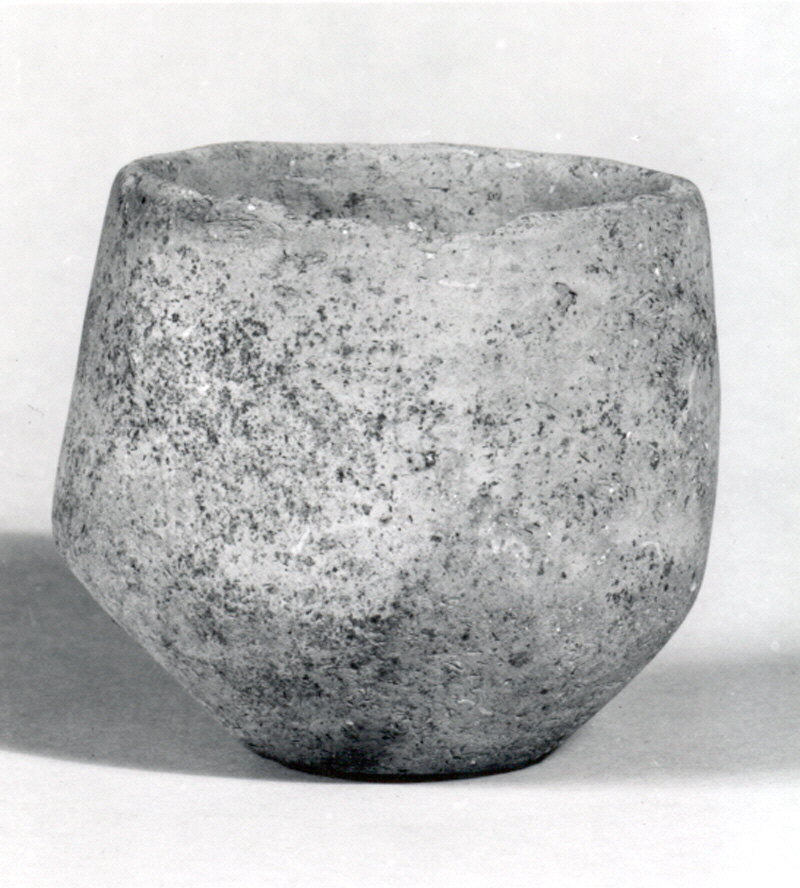 |
|---|
Object information | Details |
|---|---|
Museum title | Cup |
Date | Early sixth millennium BCE, approximately |
Period | Neolithic |
Recorded location | Hajji Firuz Tepe, Iran |
Material | Ceramic |
Collection | Metropolitan Museum of Art, New York |
Accession number | 62.173.2 |
Acquisition credit | Purchase, Mrs. Constantine Sidamon-Eristoff Gift, 1962 |
An object without a royal history
This ceramic cup from Hajji Firuz belongs to a period long before the dynasties that dominate many accounts of Iranian history. The Metropolitan Museum of Art dates it to approximately the early sixth millennium BCE and classifies it as Neolithic. Unlike an inscribed monument, it carries no published royal name or account of a military achievement. Its significance lies in its place among the objects through which early communities organised material life. A vessel can seem immediately understandable. Modern readers recognise a container and instinctively imagine someone drinking from it. Yet familiarity can encourage false confidence. The museum calls this object a cup, but its public record does not identify what it contained, who used it, or whether it served one purpose throughout its life. The distinction matters. A catalogue title describes an object through a modern classificatory vocabulary; it does not recover every aspect of its ancient use. Without a published account of its precise archaeological context or scientific analysis, we should not turn a plausible domestic scene into an established history.
What the record preserves—and what it leaves open
The public entry supplies a date, material, site association, accession number, and acquisition credit. It does not provide a detailed excavation narrative. The acquisition date of 1962 therefore belongs to the cup’s modern museum history, not its ancient chronology, and should not be mistaken for an excavation date. That limited documentation shapes the questions we can responsibly ask. The cup can introduce readers to early ceramic objects from Iran, but it cannot, on its own, establish a household’s diet, the organisation of labour, or the social identity of its user.
Its value as an opening object is precisely that it shifts attention away from exceptional possessions. Before discussing crowns, palaces, and imperial inscriptions, Iran Chronicle can begin with a modest vessel—and with the discipline of distinguishing what survives from what we imagine. The cup is a starting point rather than a complete picture of Neolithic life. A fuller account would place it alongside the settlement’s architecture, associated finds, and excavation publications. Until those connections are established, the most accurate interpretation is also the simplest: this is a surviving ceramic object associated with Hajji Firuz, whose individual history remains only partly recoverable.